
The Benefits of Exercising 30 Minutes a Day
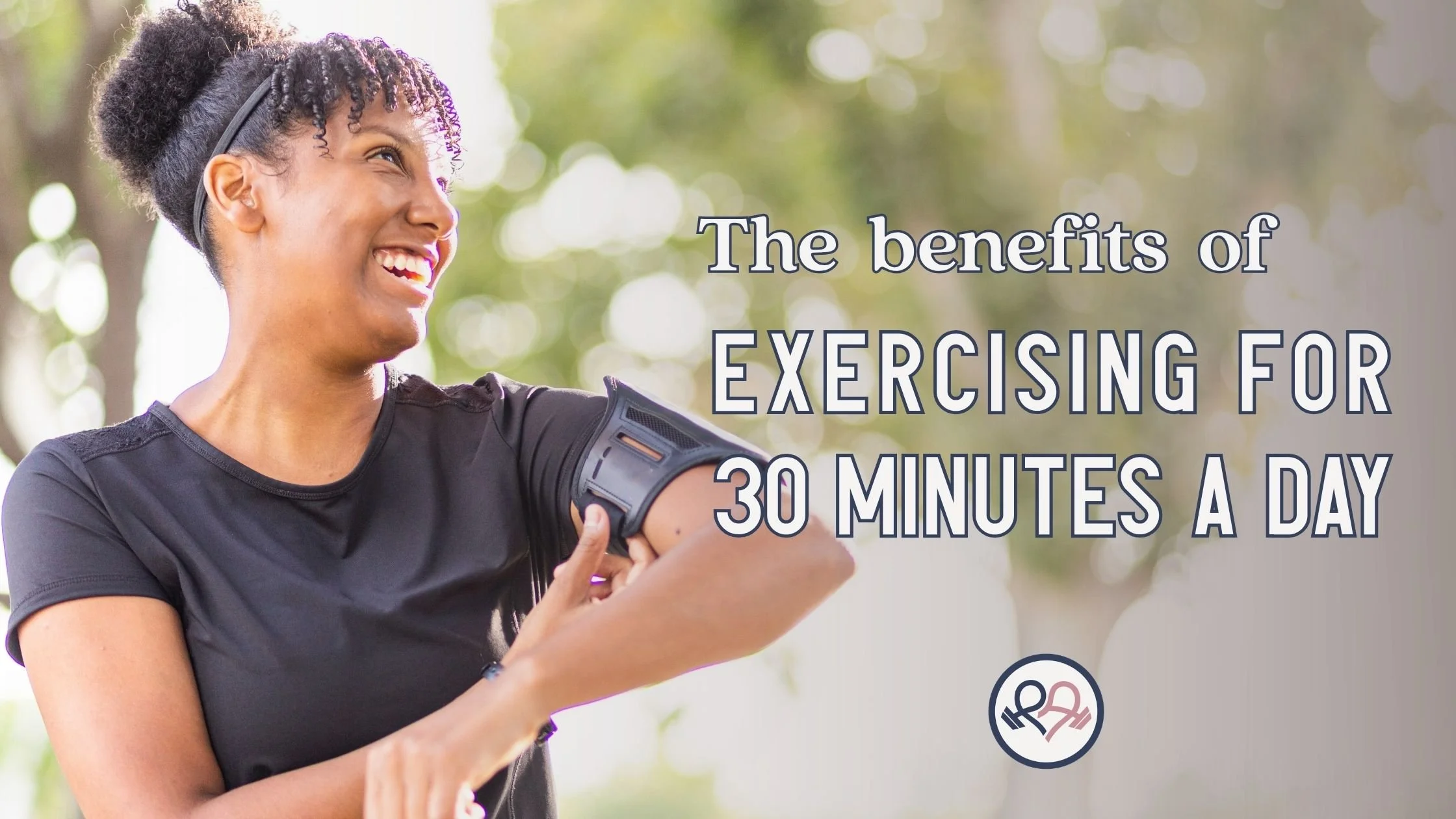
Photo by Adam Kaz
If there’s one fitness recommendation that Park Avenue trainers will tell you again and again, it’s that consistency beats intensity. But we’re not just saying that to help you build a sustainable, steady habit — there’s scientifically backed evidence that daily movement is one of the best things you can do for your body, your mind, and your future.
Making time for 30 minutes of moderate physical activity every day is one of the most effective ways you can improve your overall health, prevent disease, and maintain independence as you age. A half hour might not seem like much, but its cumulative impact can help your body feel stronger, happier, and healthier.
What Happens to Your Body When You Exercise 30 Minutes a Day: Key Takeaways
Daily movement can strengthen your heart, lower blood pressure, improve blood circulation, and reduce “bad” cholesterol.
Consistency is one of the best ways to boost your metabolism and feel more energetic.
Exercise is a great way to improve your mood and gives you an opportunity to get social with your community.
Just 30 minutes a day helps strengthen your muscles and keep your bones and joints healthy.
Creating a consistent habit now can help your body and mind age more comfortably in the future.
Improve Your Cardiovascular Health
One of the most immediate and noticeable benefits of daily exercise is improved heart health. The CDC recommends at least 150 minutes of moderate cardio per week — which breaks down perfectly to 30 minutes a day, five days a week!
To you, these 150 minutes could look like a brisk walk along the beach, swimming laps in a pool, or a bike ride through town. But to your body, it looks like:
A stronger heart — like any muscle, your heart gets stronger with regular exercise.
Lowered blood pressure can help reduce artery wall strain, which can decrease the risk of hypertension.
Better blood circulation means a better delivery of oxygen and nutrients through your body.
Lower “bad” cholesterol (LDL) while increasing “good” cholesterol (HDL), supporting long-term cardiovascular health.
Remember, cardio doesn’t need to be high-impact or even high-intensity to make a difference. You just need to be consistent.
Boost Your Metabolism and Energy Levels
If your metabolism has slowed down or is feeling sluggish, consistent, daily exercise is one of the best ways to give it a boost. But a healthy metabolism means more than weight loss or weight management — it means your body is converting food into energy as efficiently as possible.
And while it may sound counterintuitive, working out helps you feel more energetic and less fatigued in the long run.
The right fitness routine can help you:
Improve your sleep quality and duration
Regulate your internal clock
Reduce daytime fatigue
Over time, you might notice that you fall asleep faster, sleep more deeply, and wake up feeling more refreshed. Restful sleep, more energy, and a better-functioning metabolism: who wouldn’t want that?
Trainer Tip:
Consistent cardio and strength training are great ways to keep your metabolism working optimally, as well as high-intensity interval training (HIIT), but (as with any exercise), your overall safety is more important than potential results.
If you’re interested in introducing strength training or HIIT into your fitness routine, a personal trainer can help you build an exercise plan specifically for your body, experience level, and goals.
Improve Your Mood and Mental Health
Exercise doesn’t just benefit you physically! When you move your body, it releases endorphins and serotonin, hormones that play a key role in mood regulation.
In other words, that post-workout “high” isn’t a myth; your brain chemistry is responding to exercise in real time.
Regular physical activity can:
Reduce symptoms of anxiety
Lower the risk of depression
Improve overall emotional resilience
It also gives you a chance to build community and get more social.
Whether you’re working with a personal trainer or participating in small group classes, working out with other people is a great way to feel more connected, more accountable, and more motivated — that’s a great recipe for consistency if you ask us!
Increase Your Musculoskeletal Strength
Your bones and muscles are foundational to your body’s wellbeing, so keeping those happy and healthy is key.
Thirty minutes of moderate exercise each day can help:
Increase muscle strength, helping you perform everyday tasks more easily.
Support bone health by stimulating bone growth and density.
Protect your joints by keeping them lubricated and functional.
Reduce health risks like osteoporosis or the likelihood of fractures later in life.
While we’re younger, we may focus on strong muscles and bones for the sake of performance, but keeping them strong also helps us build the foundations for long-term independence.
Stay Strong, Healthy, and Comfortable as You Age
Speaking of long-term independence, building that healthy habit of 30 minutes of exercise a day now can help you continue your daily activities, prevent falls, and reduce the risk of cognitive decline in the future.
One of the most important (and often overlooked) benefits of daily exercise is its role in aging well. Consistent activity helps you:
Maintain mobility and balance
Prevent falls by improving coordination and strength
Support blood flow to the brain, which can help reduce the risk of dementia and improve overall neurological health
Trainer Tip:
It’s never too late to start building healthy habits that can help you stay healthier and safer as you age. To learn more about staying active while aging, read our blog on how you can adapt your fitness routine for different life stages, or see our guide on how to safely get up from the floor.
How to Stay Active
Something we always remind our clients is not to worry about perfection, but to focus on consistency.
Here are our recommendations on how to build a sustainable routine:
Start small: Even five to 15 minutes a day can build momentum! Check out 5 Ways to Be Kind to Your Body in 5 Minutes
Schedule it: Treat movement like any other appointment, especially if you work at a desk all day.
Do what you enjoy: Find what keeps you engaged, like walking, dancing, swimming, or trying something new at a workshop.
Join a program: Structured options such as personal training or small-group classes can provide guidance and accountability.
Set or check in with your goals: Creating achievable, manageable goals is key to building and maintaining healthy habits.
Most importantly, focus on building a routine you can maintain. Thirty minutes a day is all about showing up for your health and your future self, not burning yourself out.
Need help getting started?
Connect with us to learn more about our personal trainers and small group classes!
-
CDC Physical Activity Basic https://www.cdc.gov/physical-activity-basics/benefits/index.html
Eating Well: What Happens to Your Body When You Exercise 30 Minutes Every Day https://www.eatingwell.com/benefits-of-exercise-30-min-every-day-8384757
Mayo Clinic https://www.mayoclinic.org/healthy-lifestyle/fitness/expert-answers/exercise/faq-20057916
Nutrition, Physical Activity, and Other Lifestyle Factors in the Prevention of Cognitive Decline and Dementia by Ligia J. Dominguez, Nicola Veronese, Laura Vernuccio, Giuseppina Catanese, Flora Inzerillo, Giuseppe Salemi, and Mario Barbagallo https://www.mdpi.com/2072-6643/13/11/4080
Regulation of bone health through physical exercise: Mechanisms and types by Xinyu Chang, Sheng Xu, and Hao Zhang https://www.frontiersin.org/journals/endocrinology/articles/10.3389/fendo.2022.1029475/full#s3