
Adapting Your Fitness Routine for Different Life Stages
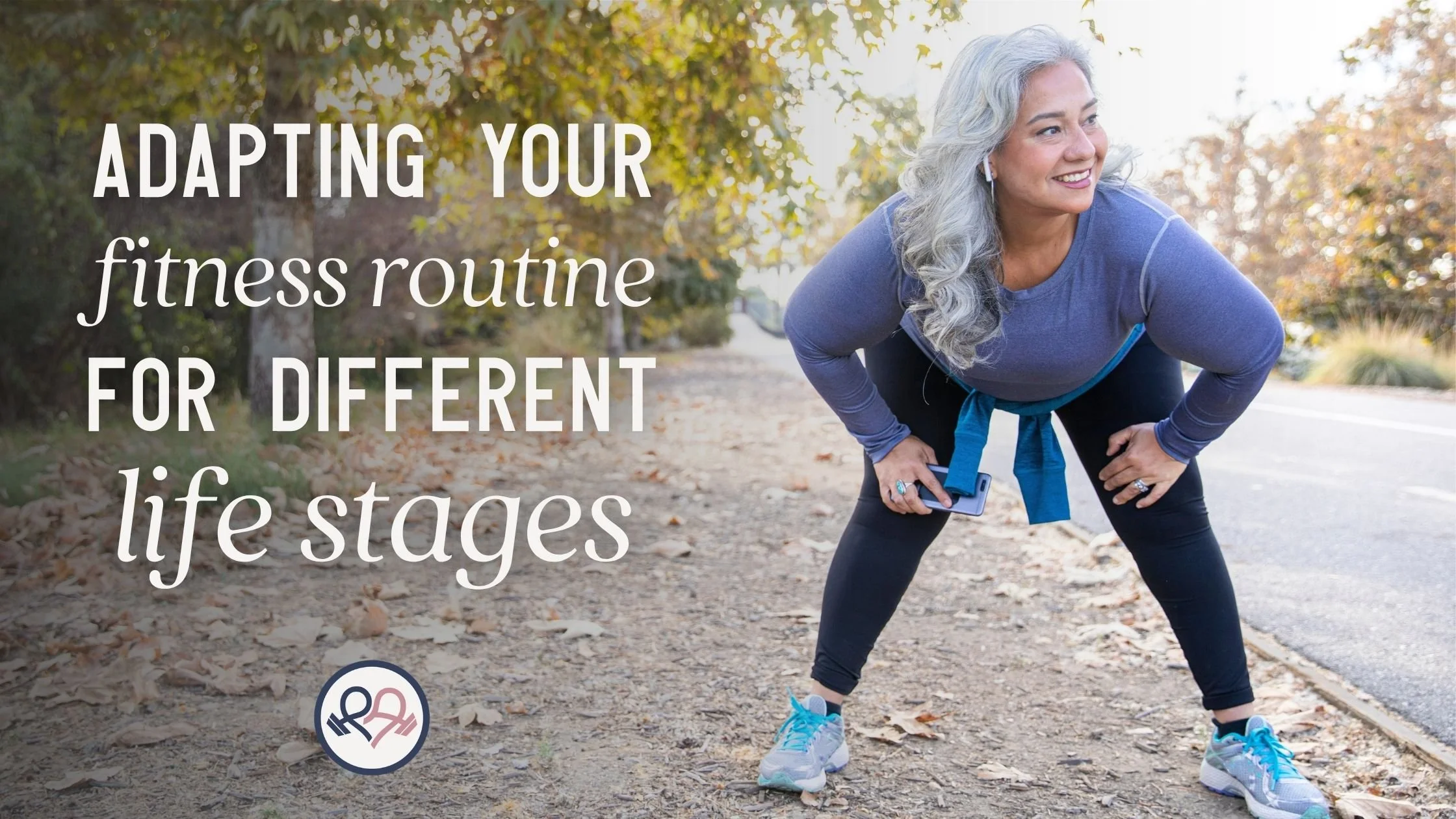
At Park Avenue Fitness, we work with clients at all stages of life — and if there’s one thing we see again and again, it’s that even though our bodies change as we age, our drive to stay active doesn’t have to.
With a few modifications and some help from a personal trainer, you can maintain a healthy and satisfying fitness routine that can accommodate any changes your body may be going through.
Remember: it’s important (and perfectly normal) to adapt our workouts as we age. So don’t feel discouraged by menopause symptoms, arthritis, osteoporosis, increased fatigue, or mobility limitations.
Here are some of our favorite tips on how you can adjust your workout for common concerns that may arise later in life.
Key Takeaways
Try to make time for exercise for 15 to 20 minutes a day — the goal is 150 minutes each week!
Cardio and strength training can help boost estrogen levels and manage symptoms of menopause.
Arthritis pain doesn’t need to keep you from exercising; you may just need a personalized routine.
Weight-bearing exercise is a huge help in treating osteoporosis.
Working out consistently can help combat fatigue.
If dealing with limited mobility, focus on adjustments, modifications, and support.
How Can Your Fitness Needs Change as You Age?
As you transition into different life stages, your exercise needs are going to evolve. But, regardless of age, the CDC recommends that all adults get 150 minutes of moderate-intensity exercise each week. Even if you can only make time for 15 or 20 minutes a day, some exercise is better than no exercise — it’s so much better than just sitting!
While there is no one-size-fits-all fitness routine for our bodies as we age, we recommend our clients shift to lower-impact exercises that help support disease prevention and overall well-being. A well-rounded routine typically looks like a blend of exercises focusing on strength, endurance, balance, and flexibility.
Need help getting started?
Exercising With Menopause
People going through menopause will experience a decrease in estrogen levels, which can cause common symptoms like hot flashes, mood changes, and weight gain.
Fortunately, exercise — especially cardio and strength training — increases estrogen levels!
Our trainers recommend a goal of raising your heart rate with moderate cardio. Start out with just 10 or 15 minutes of cardio (like a brisk walk), then a trainer can help you work your way up as your body learns and adapts. This could look like a more intensive aerobic routine or adding in some low-weight, high-rep strength training.
Trainer Tips | Navigating hot flashes during your fitness routine:
Stay hydrated, and keep a cool, wet towel nearby
Work out in a cooler environment if possible
Lower your workout intensity if you’re experiencing a hot flash
Opt for more lightweight, loose workout clothes
Practice slow, diaphragmatic breathing exercises to help reduce hot flashes
Exercising With Arthritis
Arthritis pain may make you second-guess your workout, but a personal trainer can help you determine what movements can help keep your joints as healthy as possible without risking injury.
In an interview with Healthline, Dr. Alyssa Kuhn, a doctor of physical therapy and osteoarthritis specialist, shares, “When it comes to exercising with osteoarthritis, it’s not as complicated as one might think. The goal is to do what your joints are prepared for.”
“One rule of thumb is trying movements that don’t cause pain higher than about a five out of 10,” Dr. Kuhn continues. “Many new movements may feel a little uncomfortable at first, but if that discomfort stays the same or even goes away, you’re likely in the clear!”
Dr. Kuhn also shares that even though you may not experience pain while you’re exercising, it might sneak up on you afterward. “Swelling and joint pain are common symptoms of doing too much,” she says. “If you experience this after a specific exercise routine, decrease the amount of repetitions next time.”
If you’re feeling pain after your workouts, we recommend working with a personal trainer to help you navigate your arthritis and develop an individualized routine that works with your joints and pain levels.
Trainer Tips | Working out with arthritis at home:
Use your kitchen sink or a sturdy chair to help with stretches and balance exercises
Try doing small pushups using the counter or a wall for support
Try low-impact aquatic workouts if you have access to a pool
Exercising With Osteoporosis
If you’re one of the 10 million US adults over the age of 50 with osteoporosis, remember that weight-bearing exercises are a key part of osteoporosis treatment.
Since osteoporosis decreases bone density and increases the risk of fractures, it’s completely normal to wonder what exercises and gym equipment are safe.
According to Dr. Kuhn, “The research has shown over and over again that in order to build stronger bones, you have to put weight [on] them. It’s also been shown that higher-impact exercise can actually rebuild bone strength, especially in the hips.”
If you were diagnosed with osteoporosis, working with a personal trainer can help you find a fitness routine that can promote bone health and overall wellness.
Trainer Tips | Body weight exercises to try for osteoporosis:
Squats
Modified pushups
Stair climbing
Exercising With Increased Fatigue
As we age, our energy levels tend to decrease, but this isn’t just a part of getting older — our bodies go through cellular changes, leading to muscle mass loss, which then leads to increased fatigue during workouts.
Feeling more tired can directly affect our motivation to get moving, but the best way to counteract fatigue is to keep exercising. Sticking to a routine with a focus on endurance and strength can actually help you improve your energy levels!
Trainer Tips | Exercising to overcome fatigue:
Start gradually — don’t burn yourself out!
Incorporate strength training into your weekly routine
Short walks and swimming are great for at-home exercises
Consider a small-group fitness class that focuses on low-impact body weight, like tai chi and yoga
Finish up your workouts with gentle stretches
Exercising With Limited Mobility
Managing life with limited mobility due to an injury or chronic condition can make you feel less motivated or more discouraged when it comes to working out. But, just like every other condition on this list, the key is developing a fitness routine that helps you adapt to your body’s needs — not dwelling on what you can or can’t do!
When working out with limited mobility, the key is to let yourself ease into a steady routine that provides plenty of support.
“I recommend using support like a kitchen counter or a sturdy chair to get started,” Dr. Kuhn advises. “You can add a pillow or a cushion to the chair to increase the height of it, or you can also use a bed or a higher surface when starting.”
Trainer Tips | Adjusting your workout to accommodate limited mobility:
Use things around the house (counters, chairs, pillows, walls, etc.) to support your fitness routine at home
When doing floor exercises like yoga, use props like blocks or wedges to raise the “ground” to a higher level
Make sure you know how to get up from the floor safely
Pay attention to your self-talk — give yourself grace, patience, and credit for what you’re overcoming
A Personal Trainer Can Help You Navigate Different Fitness Needs
Your fitness routine shouldn’t stay the same forever — our bodies are continuously changing, and our workouts should reflect and accommodate that!
At Park Avenue Fitness, we always focus on keeping personal training personal. We develop individualized programs that fit your goals, needs, and pace. With the right adjustments, you can keep moving, keep building strength, and keep feeling good in your body regardless of what stage of life you’re in.