
The Importance of Rest and Recovery in Fitness
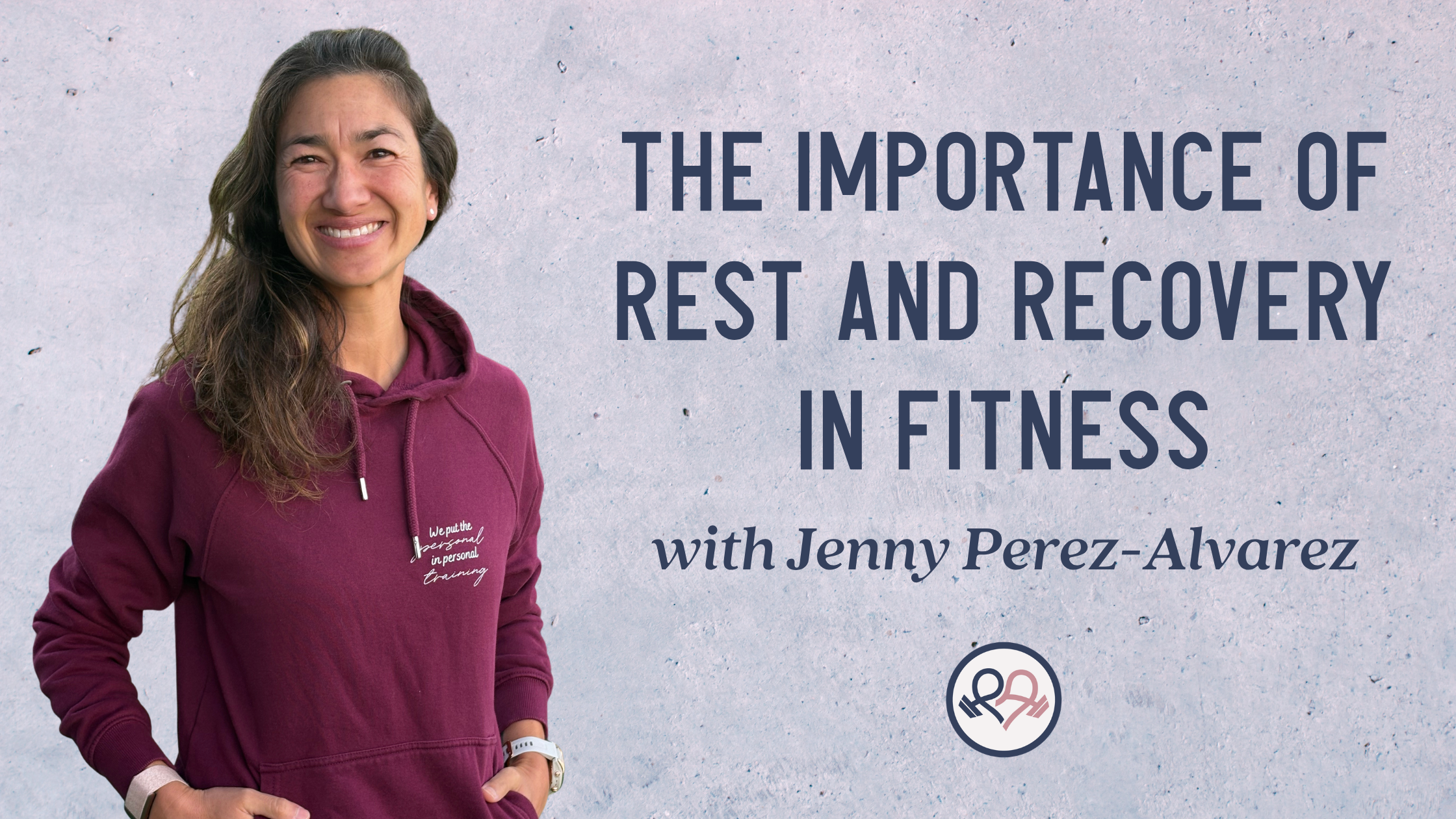
It may sound counterintuitive, but a hugely important part of your fitness routine is incorporating recovery days! And while rest days can look different for everyone, every body can benefit from finding low-impact practices that keep us moving, lower our stress, and help us repair and refresh for future activity.
In this article, ACSM-Certified Exercise Physiologist and Park Avenue Trainer Jenny Perez-Alvarez shares why mindful rest and active recovery are key to getting stronger and avoiding injury.
Why are rest and recovery important parts of being active?
Jenny specializes in training clients who are preparing for surgery, rehabilitating from injury, navigating life with metabolic syndrome, and preparing for specific athletic events — if anyone knows how crucial recovery is to a healthy exercise routine, it’s her!
“[Recovery] is when the repair of muscles and tissues happens.” Jenny explains, “Without this restoration period, you wouldn’t make great gains in strength nor improve endurance.”
Not only does recovery help keep our routine sustainable and steady, but it can also keep our bodies safe in the long run.
“Utilizing a simple protocol, like periodization, in your fitness plan can keep injury risk low,” Jenny says. “Periodization training helps to segment your training into ‘phases of building’ with recovery after each phase. A very simple example would be to build for two to three weeks in your specific sport or fitness and then take a recovery week. Having a good starting base assessment will be important for success!”
What is active recovery?
Active recovery, or gentle movements, is infinitely better for you than flat-out inactivity. Keeping your blood flowing can help with soreness, repair, and your overall well-being!
Jenny says that a key part of active recovery is to keep moving; just adapt your movements by slowing down or lowering the impact. “This is where cross-training can be beneficial,” she adds.
Jenny’s rest and recovery recommendations
Start with the basics, and find what works for you
While types of rest and recovery are tailored to the individual, Jenny recommends:
Adding a mobility or a simple stretch routine
Focusing on sleep, nutrition, and hydration habits
Exploring healthy pain management options like massage therapy, foam rolling, acupuncture, or cupping
Staying grounded with breath work and forest bathing
Trying low-impact fitness classes like tai chi and yoga
Manage your stress
One of the most important things Jenny wants people to keep in mind is stress management. “A high-intensity exercise can be just as stressful for the body as a conflict at work or home,” she says. “The brain puts these all into the stress bucket. There is only one bucket for all of your stress, and it can overflow quickly, which will lead to injury or illness.”
To help combat stress, Jenny recommends acknowledging your stress levels and doing your best to process it, rather than sweeping it under the rug. “Be mindful and honest about what you have going into your bucket,” she explains. “Draining the bucket with recovery and rest might just be the best thing you will do for yourself!”
Prioritize your body’s needs
According to Jenny, rest and recovery (especially when rehabilitating from an injury or procedure) “is the perfect time to switch the focus from fitness or sport intensity to other areas of health that are just as important but often get pushed to the back burner: nutrition, hydration, and sleep!”
“[Fitness recovery] is more than just being body aware; it’s being able to say no,” she says. Don’t be afraid to say no to that intense workout if you have a cold! Jenny also recommends being diligent about your sleep schedule, being strict about no alcohol during your training cycles, and taking the time to work on “higher systems” like breathing, the visual system, and the vestibular system.
Most of all, remember that your choice to rest and recover actively is giving your mind and body exactly what they need to help you continue doing what you love.
About Jenny
Jenny found a passion for fitness training while serving in the military. After her service to the US Army ended in 2007, she went back to Utah to earn both her Bachelor's of Science in Exercise & Sport Science from the University of Utah and American College of Sports Medicine-certified Exercise Physiologist.
Jenny has now been a California resident for 15 years and has taught a variety of classes: water aerobics, TRX, cycling, anatomy, ski conditioning, yoga, and meditation. When she’s not training others, Jenny enjoys spending time exploring with her husband and their dog named Jogger (who does not like to jog), running, training for ultramarathons, and cycling (both road and mountain).
To work with Jenny, send us a message or give us a call at 831-251-1810.